



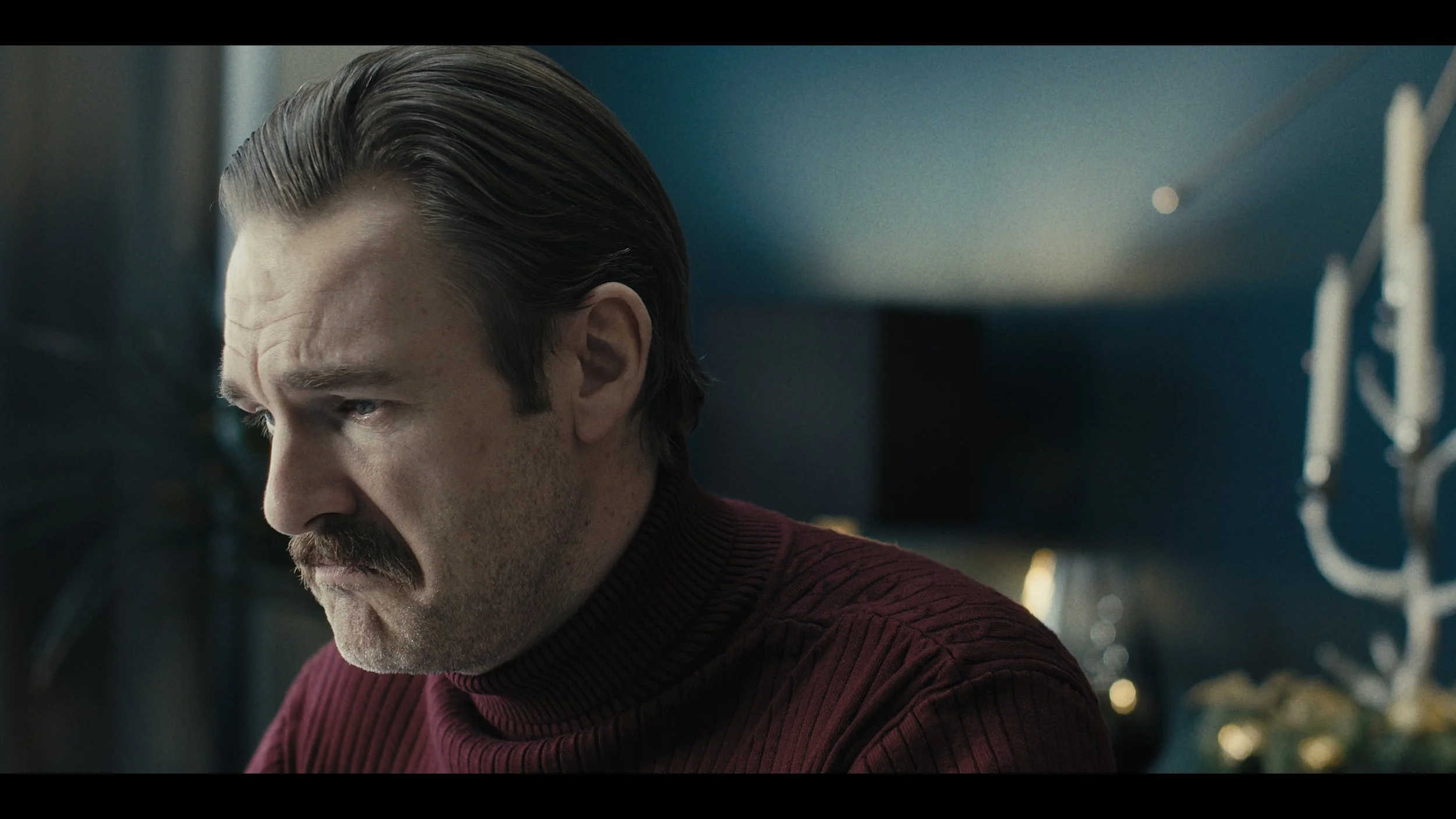


Colour grading From Me to You
Our colour grading work on From Me to You, directed by Simret Cheema-Innis, centres on the short film’s distinctive neon palette and the visual relationship between its scenes.
Explore the film material above. The treatment is considered across the sequence, with the colour of each shot contributing to the atmosphere and continuity of the work.
Establishing the visual direction
The neon palette gives this project a specific point of departure. A strong colour direction still needs to work with the subject, lighting and material within each shot.
With a pronounced palette, colour needs to be selective. The brightness and saturation of one area affect how the rest of the frame is read. In a grading brief, we consider where attention should fall, how much contrast suits the scene and which existing colours should remain prominent.
Looking beyond a single frame
A grade is experienced in motion. Two shots that look effective in isolation may not sit comfortably next to one another, while a visual change may be intentional within the story.
This is why a sequence matters when discussing a look. References and individual stills can help describe a direction, but the film itself remains the important context.
A transition between scenes can carry a deliberate change in mood. Within a continuous scene, an unintended shift in colour or contrast can pull attention away from the action. Reviewing the sequence helps distinguish the two.
Working with a director’s intention
For a grading brief, it is helpful to understand what the director wants the image to contribute. That might involve atmosphere, continuity, the prominence of a colour or the relationship between different parts of the film.
It is equally useful to know what should be preserved. Existing lighting and production design already contain choices, and a colour treatment should be considered alongside them rather than in isolation.
Preparing your own grading project
When enquiring about colour work, send the film’s running time, current edit status and intended viewing format. Include visual references and identify any scenes or technical concerns that need particular attention.
We can then discuss the material and handover requirements. Source files, editing workflow and the final deliverables need to be agreed for the project, so there is a shared understanding of what is being supplied and returned.
If the edit is still changing, explain the likely schedule. That helps establish when the work can be reviewed and which version of the film the scope relates to.
Reviewing the treatment
Agree who will give feedback and how references will be shared. Timecoded comments help connect the feedback to a particular image. Identify what draws too much attention, what needs to remain visible and which reference best explains the intended change. That gives the colour discussion a precise starting point while leaving room to judge the sequence as a whole.
Explore more colour work
Watch the colour grading reel for other examples, or send an enquiry with the film, deadline and treatment you are considering.
Director: Simret Cheema-Innis. Colour grading: Lucian Paraian.