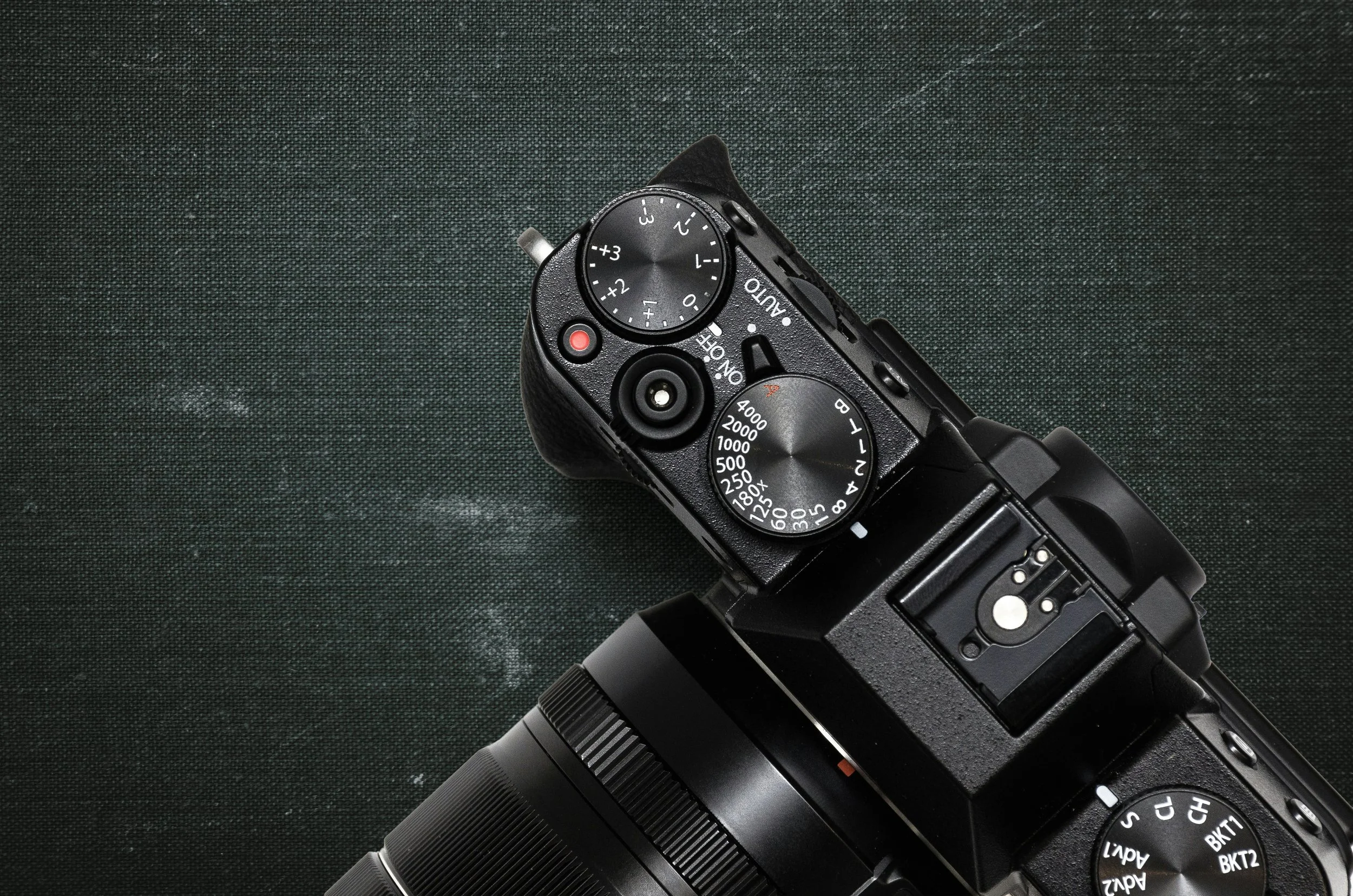
Medium format photography for commercial briefs
We offer medium format photography for commercial briefs with demanding detail and output requirements, including products, interiors, editorial work and brand campaigns.
The capture system is considered alongside lighting, composition, preparation and finishing. We start with the subject and the final use of the image, then assess the photographic approach against those requirements.
When is it worth considering?
A detailed product, a carefully designed interior or a campaign image intended for large display may benefit from discussing the capture approach early. The important question is how the photograph will be used and which details it needs to hold.
Tell us about the final size, possible crops and any production specifications. A website thumbnail and a large printed image do not place the same demands on the work, even when they show the same subject.
Products and materials
For product photography, close attention to surfaces, edges and small details can be important. Preparing the item properly remains essential: marks, damaged packaging and unwanted reflections do not disappear simply because a different camera is used.
Share the products, required views and intended uses. We consider the camera, lighting and retouching together, with particular attention to how those surfaces should appear in the finished image.
Explore product photography and video.
Interiors and architecture
An interior brief may need broad room views as well as closer photographs of materials and finishes. The preparation of the space and the choice of viewpoint are important whichever camera system is used.
If the photographs are intended for a particular publication or printed format, share those requirements before the shoot. They can help guide the compositions and the files required at delivery.
Planning the shoot
We begin with the visual direction and the practical subject. The shoot may be in a studio setting or on location, depending on the project and the access available.
Reference images, a shot list and brand guidance help explain the intended result. Let us know which details are essential and whether several photographs need to form a consistent set.
The schedule should allow for the preparation and adjustments each image needs. Lighting a reflective surface, refining a composition and checking small details can take longer than the exposure itself.
Post-production and delivery
The required retouching and final files should be discussed as part of the brief. Tell us about colour references, background requirements, crops and the print or digital specifications you have been given.
High-resolution files are useful when the intended output needs them, but the delivery should also suit the practical way the images will be used. The agreed project details specify the file formats, scope and intended output.
Is medium format necessary for every commission?
No. The choice should follow the brief rather than become a requirement in its own right. Share the intended uses and we can discuss an appropriate photographic approach.
References and final presentation
If colour or surface detail is important, tell us what reference the finished photograph will be judged against. A screen preview, a printed proof and the physical subject can be viewed under different conditions. The brief should identify the output and review requirements rather than rely on a general phrase such as high quality. That gives the production and retouching a more concrete purpose.
Discuss your project
We work with commercial clients across Hampshire, Surrey and London. Send an enquiry or email us with the subject, output requirements and preferred dates. If you have print specifications or reference files, include them with the brief.